
IT Services for Robotics Companies
Tailored IT solutions that support automation, AI-driven workflows, secure infrastructure, real-time data processing, and scalable robotics innovation.
Robotics companies depend on speed, precision, uptime, and secure access to complex systems. Whether your team is developing autonomous technology, managing connected devices, supporting production environments, or scaling AI-driven workflows, your IT infrastructure needs to perform without unnecessary disruption.
Renascence IT Consulting provides managed IT services for robotics companies that need reliable systems, proactive support, cybersecurity, cloud infrastructure, and technology guidance built around innovation-focused environments.
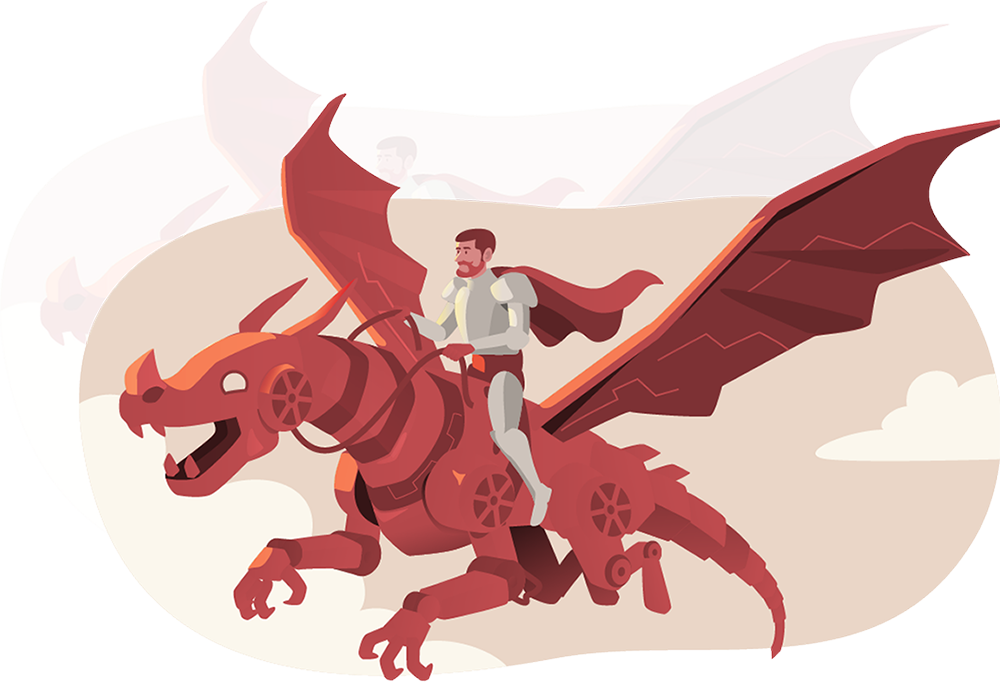
Why Robotics Companies Need Specialized IT Support
Robotics environments are more complex than standard office IT setups. Teams often depend on connected devices, specialized software, engineering workstations, cloud platforms, development tools, AI applications, and secure data exchange between systems.
When IT is not properly managed, robotics companies can face downtime, delayed development cycles, security vulnerabilities, workflow disruption, and limited scalability. Specialized IT support helps ensure your systems are secure, connected, documented, and ready to support continued innovation.
Innovation and Stability
Specialized IT support safeguards your continuous development pipeline from infrastructure bottlenecks, ensuring your multi-layered environments exchange data safely without hitting operational deadlocks.
The Renascence IT Approach
Renascence IT helps robotics companies strengthen the technology foundation behind their operations, so teams can focus on product development, automation, testing, deployment, and growth.
IT Services We Provide for Robotics Companies
Robotics companies need more than basic IT support. Your teams rely on secure systems, fast networks, specialized applications, cloud access, connected devices, and reliable data protection to keep development, testing, and operations moving. Renascence IT provides IT services for robotics companies that support innovation, uptime, security, and scalable growth.
Managed IT Services
Robotics companies depend on reliable systems, responsive support, and minimal downtime. Our managed IT services help keep your users, devices, applications, and infrastructure operating smoothly so your team can stay focused on development, testing, and production.
- 24/7 monitoring to detect and resolve issues before they disrupt operations
- Proactive maintenance for workstations, servers, software, and connected systems
- Responsive IT support tailored to robotics teams, engineering users, and business operations
Co-Managed IT Services
If your robotics company already has an internal IT team, Renascence IT can provide additional expertise, tools, and support to help your team manage complex environments more efficiently. Our co-managed IT services are designed to strengthen internal capabilities without replacing your existing team.
- Flexible support for IT projects, infrastructure upgrades, and ongoing management
- Collaboration with internal teams to improve workflows, documentation, and response times
- Access to specialized IT knowledge for robotics infrastructure, cloud, security, and scalability
Cybersecurity Services
Robotics companies are high-value targets because they often manage sensitive data, intellectual property, connected systems, and AI-driven workflows. Our cybersecurity services help protect your users, devices, networks, cloud platforms, and critical business systems from evolving threats.
- Threat detection and response designed to protect robotics applications and data
- Secure access controls for employees, vendors, devices, and business systems
- Cybersecurity planning to reduce risks tied to intellectual property, cloud tools, and connected infrastructure
Disaster Recovery & Business Continuity
Downtime can delay development, interrupt production, and put critical robotics data at risk. Renascence IT helps robotics companies create backup and disaster recovery strategies that support fast recovery, data protection, and operational continuity.
- Automated data backups for engineering files, systems, and business-critical records
- Recovery planning to minimize downtime after hardware failure, cyber incidents, or data loss
- Business continuity strategies that help robotics operations continue with fewer disruptions
Cloud-Based Solutions
Robotics teams often depend on cloud platforms for collaboration, storage, remote access, development workflows, and AI-related workloads. We help design, manage, and secure cloud environments that support productivity, scalability, and innovation.
- Scalable cloud infrastructure for collaboration, storage, and advanced workloads
- Secure remote access to robotics data, applications, and business systems
- Cloud security measures to protect sensitive projects, intellectual property, and user access
IT Consulting Services
Robotics companies need technology decisions that support both current operations and future growth. Our IT consulting services help your team evaluate infrastructure, plan upgrades, manage vendors, and align technology investments with business goals.
- Technology roadmap planning for growing robotics companies
- Infrastructure, cloud, cybersecurity, and vendor guidance
- Strategic recommendations to improve performance, scalability, and long-term IT resilience
Robotics IT Challenges We Help Solve
Robotics companies operate in high-demand technical environments where downtime, system lag, or security gaps can affect productivity and innovation. Renascence IT helps address common IT challenges such as:
Unstable networks that slow collaboration, testing, or connected systems
Limited visibility into device, endpoint, and user security
Cloud environments that are difficult to manage or scale
Weak backup and recovery processes for critical files and systems
Inconsistent access controls across employees, vendors, and tools
Lack of IT documentation for infrastructure, vendors, and support processes
Security risks tied to remote access, connected devices, and shared data
Growing support needs as the robotics company adds users, tools, and locations
Technology Support Built Around Robotics Workflows
Robotics companies often rely on a mix of engineering tools, development platforms, cloud environments, collaboration systems, production technology, and secure data workflows. Your IT support should understand how these systems work together and how small disruptions can affect larger business goals.
Renascence IT provides support designed to help robotics teams maintain productivity, reduce operational friction, and keep technology aligned with business growth. From everyday IT support to strategic planning, we help your company build a stronger foundation for innovation.
Our support can help with:
Engineering and administrative workstation support
Secure access for internal teams and external partners
Cloud collaboration and file management
Network performance and reliability
Backup and recovery planning
Cybersecurity controls and monitoring
Vendor coordination and IT documentation
Technology planning for growing robotics teams
Why Robotics Companies Trust Renascence IT
- Industry Expertise: We understand that robotics companies need more than basic IT troubleshooting. Your infrastructure must support fast-moving teams, specialized tools, connected systems, secure collaboration, and scalable operations.
- Proactive Cybersecurity: We help robotics companies protect sensitive data, intellectual property, connected devices, cloud systems, and employee access through layered security controls and proactive monitoring.
- Scalable Solutions: As your robotics company grows, your IT systems need to grow with it. Renascence IT helps plan and manage scalable infrastructure that supports new users, applications, locations, and workflows.
- Clear Communication: We provide practical guidance without unnecessary technical jargon. Your team gets clear recommendations, responsive support, and IT direction that ties back to business goals.
- Strategic IT Guidance: Beyond support tickets, we help robotics companies plan smarter technology decisions, reduce risk, and prepare infrastructure for long-term growth.

Build a Stronger IT Foundation for Your Robotics Company
Your robotics company needs technology that supports innovation, not systems that slow it down. Renascence IT Consulting helps robotics businesses strengthen infrastructure, improve security, support cloud tools, and maintain reliable day-to-day operations.
Whether you need ongoing managed IT support, cybersecurity guidance, cloud infrastructure, or a strategic technology review, our team can help you build an IT environment that supports where your business is going next.
Frequently Asked Questions (FAQ)
How can IT services improve efficiency for robotics companies?
IT services help robotics companies improve efficiency by supporting reliable networks, secure systems, cloud access, collaboration tools, data protection, and proactive issue resolution. With the right IT foundation, teams can reduce downtime and keep technical workflows moving.
How do you secure robotics systems and business technology?
We help secure robotics environments through endpoint protection, access controls, email security, network monitoring, data backup, cybersecurity policies, and proactive risk management. These safeguards help protect sensitive data, connected systems, and operational technology.
What are the benefits of cloud computing for robotics companies?
Cloud solutions can help robotics companies improve collaboration, data access, storage scalability, remote work, and application performance. Renascence IT helps businesses use cloud platforms securely and efficiently based on their operational needs.
Can you support robotics startups and established robotics companies?
Yes. Renascence IT can support both growing startups and established robotics companies. We help smaller teams build a reliable IT foundation and help larger organizations improve scalability, security, documentation, and long-term technology planning.
Do you offer on-site IT support?
Renascence IT provides responsive IT support based on each client’s needs. Depending on the issue and service agreement, support may include remote assistance, on-site coordination, vendor management, and infrastructure guidance.
Why do robotics companies need managed IT services?
Robotics companies need managed IT services to maintain uptime, protect sensitive data, support specialized tools, and keep systems performing reliably. Managed IT also gives teams access to proactive monitoring, strategic guidance, and ongoing technical support.
What IT risks should robotics companies watch for?
Common IT risks include weak access controls, unsecured endpoints, poor backup processes, unstable networks, unmanaged cloud systems, outdated software, and limited cybersecurity visibility. These risks can affect productivity, security, and business continuity.
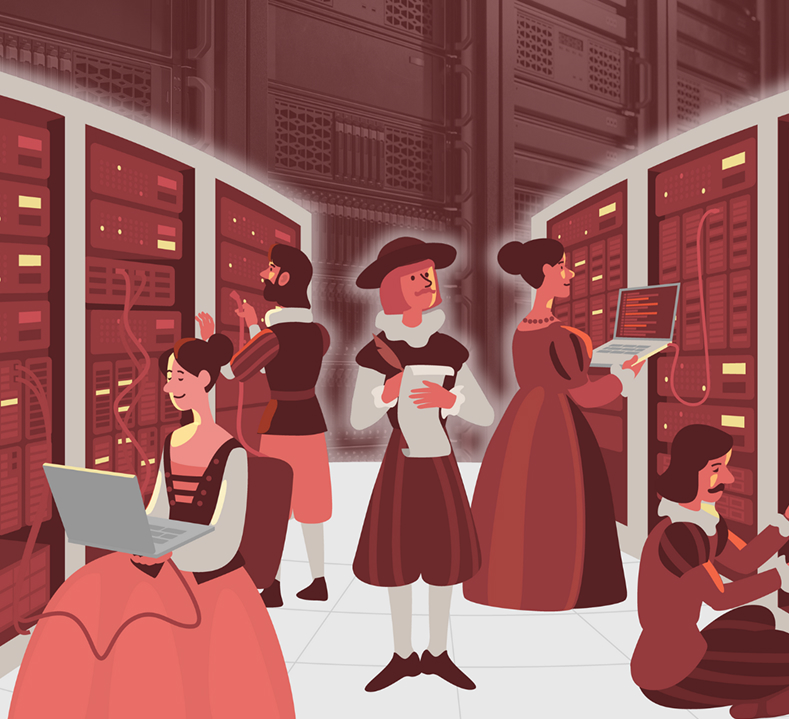
Forge the Future with Us!
Do not let ancient IT relics hinder your path to innovation! Summon Renascence’s expertise to craft tailored IT solutions that fortify your robotics workflows, safeguard your kingdom’s most prized knowledge, and propel automation into a new era of prosperity.